Insurance Claim Help
Roofing Insurance Claim Help in Elgin, IL
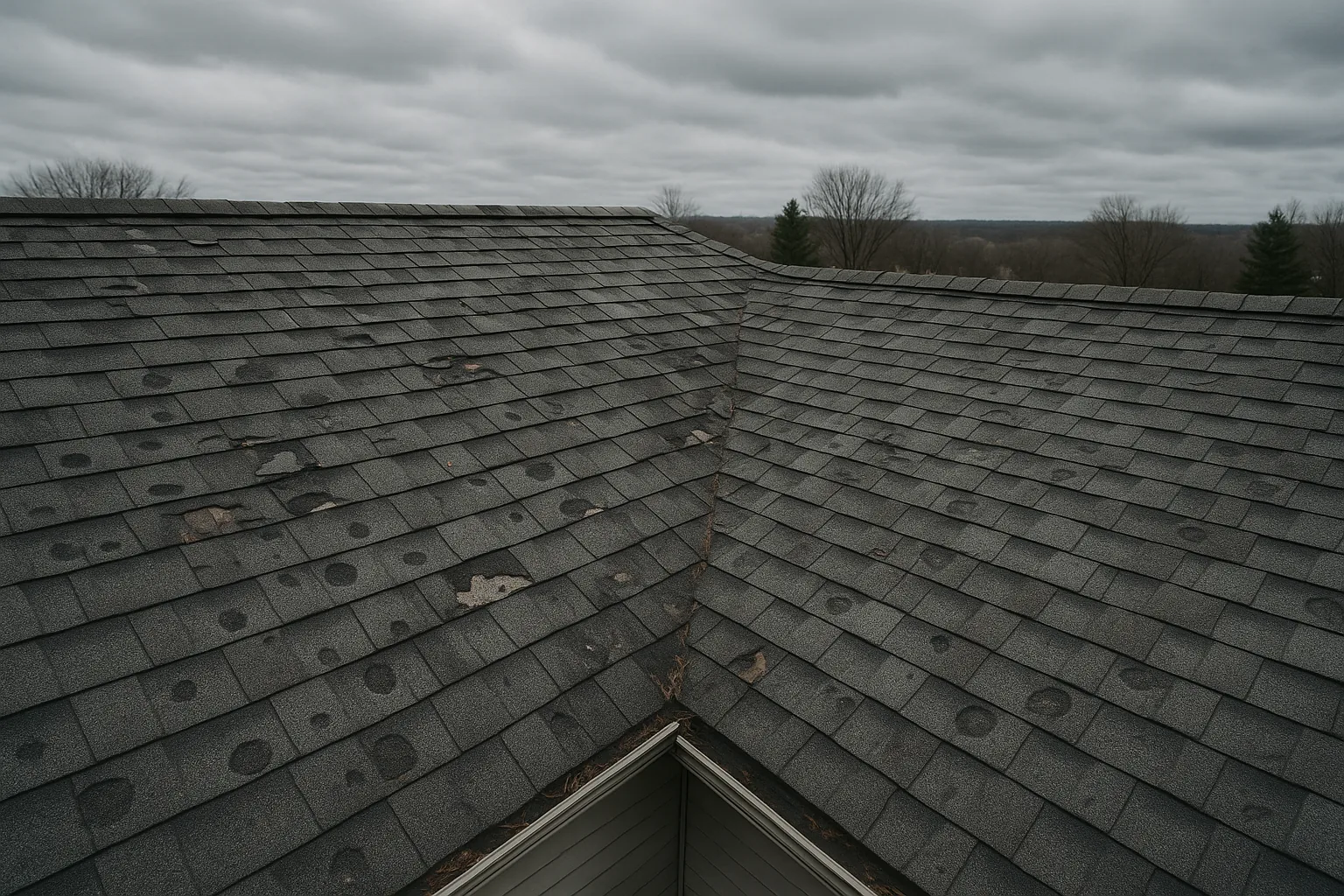
Storms in Elgin can leave your roof with hail bruises, missing shingles, or leaks that aren’t always obvious at first glance. If you’re exploring roofing insurance claims in Elgin, a clear process helps you protect your home and your policy benefits. Below is a straightforward guide to documenting damage, understanding payout types, preparing for the adjuster, and what to do if a claim is denied.
Why Start With Roofing Insurance Claim Help
Documentation Checklist
Know what photos and records insurers typically expect.
ACV vs. RCV Explained
Understand the two common ways policies pay out on a roof claim.
Adjuster Meeting Prep
Walk into the adjuster visit with your own assessment ready.
Documenting the Damage
Start with safety first. When it’s safe, take wide and close-up photos of all visible damage: shingles, flashing, vents, gutters, downspouts, siding, windows, and any water marks on ceilings or in the attic. Capture timestamps, note the storm date and time, and save weather alerts or local news reports from the Elgin area that reference the event. Prevent further damage by installing temporary covers where needed and keep all receipts for materials or emergency services. Review your policy’s duties-after-loss section for deadlines to notify your insurer and for guidance on temporary repairs. If you suspect hidden damage, note interior signs like new stains, musty smells, or damp insulation so you can point them out during inspection.
Understanding ACV vs. RCV
Actual Cash Value (ACV) pays the depreciated value of your roof at the time of loss—essentially replacement cost minus age and wear. Replacement Cost Value (RCV) covers the full cost to replace with like kind and quality, typically paid in two steps: an initial ACV payment and a recoverable depreciation payment after work is completed and documented. Both payout types are subject to your deductible. Some policies include or exclude items like code-required upgrades (often under an Ordinance or Law endorsement). Ask your insurer how depreciation is calculated, what documents unlock recoverable depreciation, and whether any mortgage company endorsements are needed on claim checks.
Preparing for the Adjuster Meeting
Create a simple damage list organized by area—front slope, back slope, garage, gutters, interior rooms. Have photos, receipts for temporary fixes, and any prior maintenance records ready. Provide the storm date, time, and any supporting weather documentation. Ensure safe access to the roof and attic, clear the driveway for ladders, and flag hard-to-see issues like soft decking or intermittent leaks. Consider having a qualified roofing professional present to discuss the scope, materials, measurements, and local code requirements. Stay factual and consistent; avoid starting permanent repairs until you have written approval from the insurer unless it’s an emergency to prevent further damage.
If a Claim Is Denied
Request the denial letter in writing and review the specific policy language and reasons cited. You can ask for a reinspection, submit additional photos, contractor findings, or an independent report, and clarify any misunderstandings about the damage date or cause. If you still disagree, follow your policy’s appeal process and keep everything in writing. You may consult an attorney for guidance on your rights and deadlines, or contact the Illinois Department of Insurance to learn about consumer complaint options. In the meantime, continue mitigating damage and save receipts; even without claim approval, preventing further deterioration is usually required by the policy.
How It Works
Request Your Free Estimate
Describe your roofing issue or project and the best way to reach you.
Get an Inspection
A roofer inspects the roof, or reviews your photos, and confirms the scope of work.
Review a Written Estimate
Compare a clear, line-item estimate before you agree to anything.
Schedule the Work
Confirm a timeline that works for your schedule and the weather.
Frequently Asked Questions
What is date of loss and why does it matter?
It's the specific date the storm damage occurred — insurers use it to confirm the claim falls within your policy period.
What's the difference between ACV and RCV coverage?
ACV pays the depreciated value of the damaged roof; RCV pays to replace it at current cost, often in two payments — check your policy for your specific coverage type.
Can I appeal a denied roofing claim?
Many insurers allow reinspection or appraisal requests — check your policy documents or ask your agent about the appeal process.
Request Your Free Roofing Estimate
Describe your roofing issue or project and get a free, no-obligation estimate.