Storm and Hail Damage
Storm and Hail Damage Roof Repair in Elgin, IL
When severe weather hits Elgin, your roof takes the brunt of hail and high winds. Quick, informed action can limit leaks, protect your home, and streamline any insurance claim. Use the guidance below to recognize storm damage and plan your next steps for timely, professional hail damage roof repair in Elgin.
Why Start With Storm and Hail Damage
Spot Hidden Damage
Learn what hail bruising and wind damage actually look like up close.
Documentation Guidance
Photograph and record damage the way insurers expect.
Post-Storm Scheduling
Get on a repair schedule before post-storm demand backs up.
Spotting Hail Damage
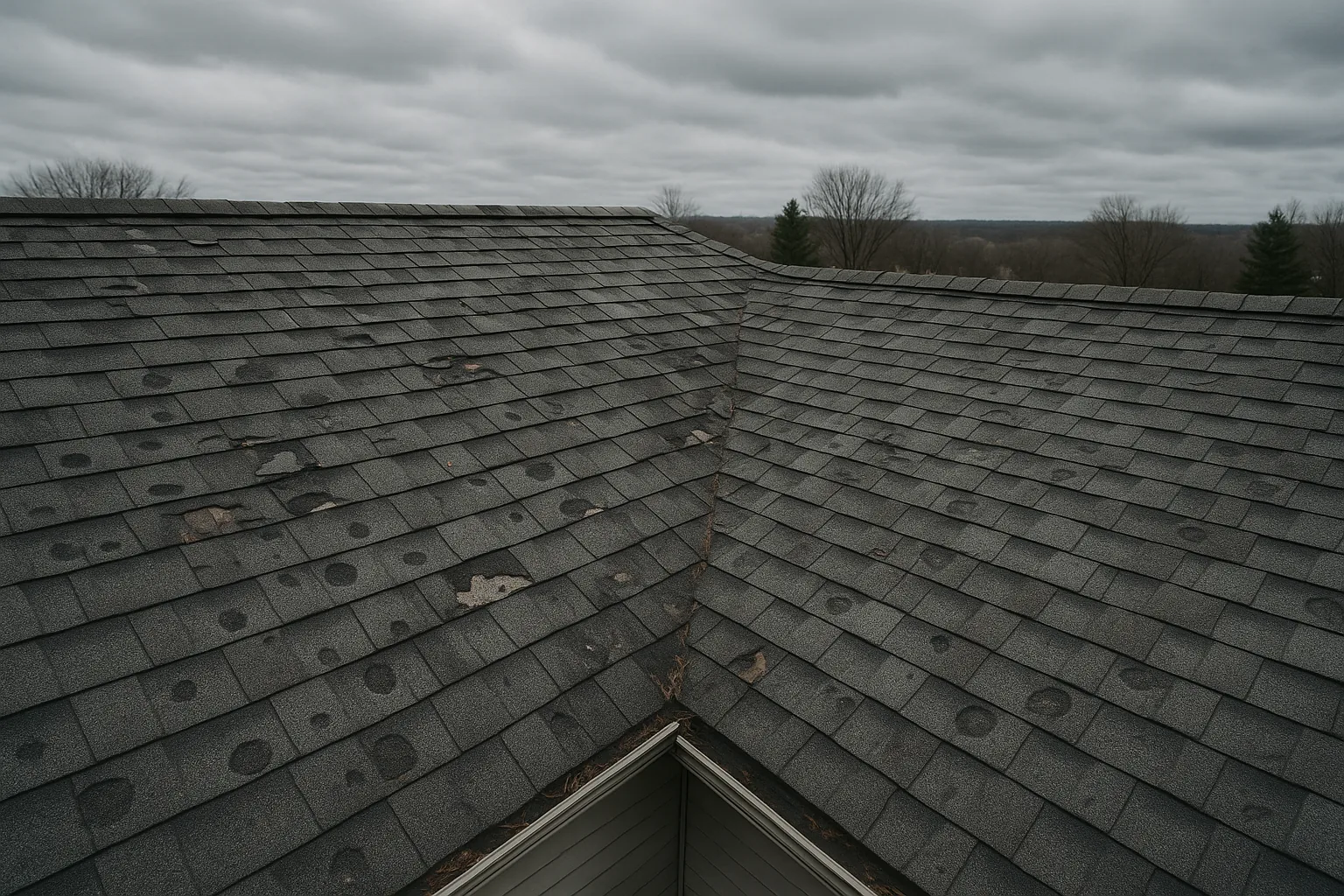
Hail damage can be subtle from the ground, but it leaves telltale signs up close. Look for dark bruises or soft spots on asphalt shingles, cracked or fractured shingle surfaces, and excessive granules washing into gutters and downspouts. Metal features such as vents, flashing, and gutters may show small circular dents, and skylights or pipe boots can have chips or cracks. After a storm, walk the property perimeter and check fences, decks, and siding for fresh impact marks that signal roof impacts too. If you safely can, view the roof from a window with binoculars rather than climbing a ladder. Noting these indicators early helps you decide if a professional inspection for hail damage roof repair in Elgin is needed.
Wind Damage Signs
High winds lift, crease, or remove shingles, often along ridges, eaves, and around penetrations. Look for shingles that appear raised, curled at the edges, or out of alignment, as well as missing tabs exposing the underlayment. Displaced or bent flashing at chimneys, walls, and valleys is another common wind-related issue. Inside, check the attic for daylight at the roof deck, damp insulation, or new water stains on rafters and ceilings after the storm. Promptly addressing these signs can prevent minor wind damage from turning into leaks.
Documenting Damage Before Repairs
Start a simple record: the storm date and time, photos or videos of damage from multiple angles, and close-ups of any dents, cracks, or missing shingles. Include pictures of gutters, vents, skylights, and any interior staining. If safe, place a ruler next to dents or a hailstone to show size, and photograph debris on the ground without climbing onto the roof. Save estimates, invoices, tarp receipts, and correspondence related to the event. Temporary measures like covering exposed areas with a properly secured tarp can help prevent further damage; keep receipts and take photos of any emergency mitigation. Good documentation can support an insurance claim and keep your repair timeline on track.
Scheduling Repairs After a Storm
After you’ve documented the damage, request a timely roof inspection to confirm the scope and prioritize any urgent dry-in work. A clear written estimate that outlines materials, repair methods, and projected timelines helps set expectations and coordinate with your insurer when applicable. Ask about availability for storm-related repairs in Elgin, material options that match your existing roof, and how weather may affect scheduling. If your carrier sends an adjuster, coordinating the inspection with your roofing professional can help ensure all hail and wind impacts are evaluated. Quick scheduling minimizes the risk of secondary leaks while you finalize full repairs.
How It Works
Request Your Free Estimate
Describe your roofing issue or project and the best way to reach you.
Get an Inspection
A roofer inspects the roof, or reviews your photos, and confirms the scope of work.
Review a Written Estimate
Compare a clear, line-item estimate before you agree to anything.
Schedule the Work
Confirm a timeline that works for your schedule and the weather.
Frequently Asked Questions
How soon after a storm should I get my roof checked?
As soon as it's safe to do so — damage that isn't actively leaking can still worsen with the next rain.
Does hail damage always cause a leak right away?
No — granule loss and mat cracking from hail can weaken shingles well before a visible leak appears, which is why a post-storm inspection matters even without obvious symptoms.
What should I photograph for an insurance claim?
Wide shots of the whole roof, close-ups of damaged shingles, any interior water stains, and the date of the storm — see Roofing Insurance Claim Help for more detail.
Request Your Free Roofing Estimate
Describe your roofing issue or project and get a free, no-obligation estimate.